
|

VDL CropTeq Robotics
© VDL Groep 2026

The grower plays a crucial role: they have the application expertise and own the problem. The grower determines the user requirements for technology development. Whether it involves removing leaves from cucumber plants or harvesting gerberas, it is about the interaction between practice and technology. This interaction will result in a successful solution.
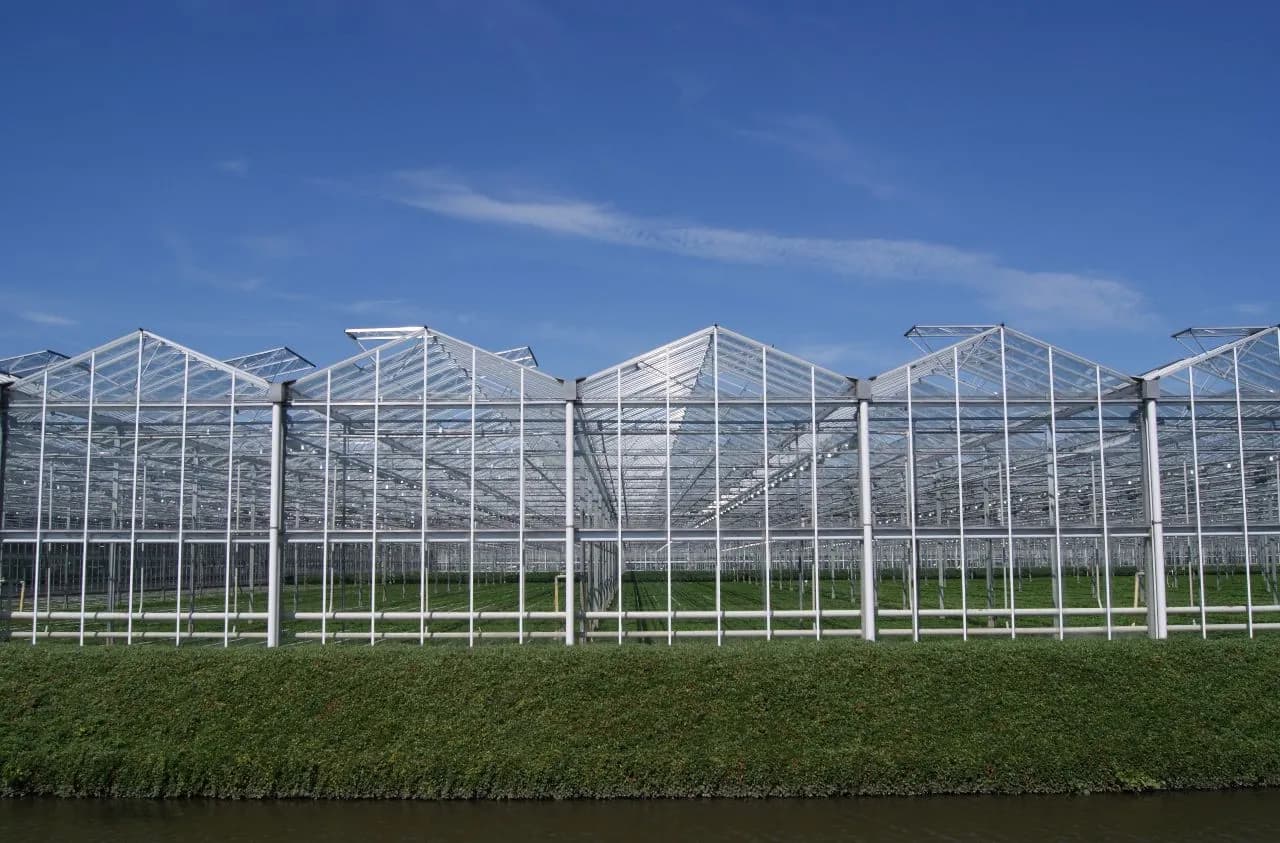
In greenhouse horticulture, cucumbers are grown in two different ways: traditional cultivation and high-wire cultivation.
High-wire cultivation has several advantages and disadvantages compared with traditional cultivation. The main advantages are the much higher yield (up to 50% more) and the higher quality of the product. The disadvantage of high-wire cultivation is its susceptibility to viruses, and labour costs are considerably higher than with traditional cultivation.
Autonomous robots completely eliminate these disadvantages. This makes the decision to switch to high-wire cultivation appealing to many more growers.

Leaf cutting involves removing cucumber leaves that no longer add value to the crop. In principle, these leaves hinder the plant’s performance. They are mainly located in the lower part of the plant, within a defined height zone. Leaf cutting is very standard and relatively simple work, but it is labour-intensive and a major cost for growers.
The single-arm Cropteq robot cuts an average of 1,000 leaves per hour over 100 metres in a fully planted crop. With this performance, it is a highly competitive alternative for growers, quite apart from all the other benefits and possibilities.